Building Capacity, Influence and Change Together: A Workshop for ‘By and For’ VAWG/DVA Organisations
IDVRM Practice Workshop series
Building Capacity, Influence, and Change Together: A Workshop for ‘By and For’ VAWG/DVA Organisations
Date: Thursday 5 March 2026
Time: 10:00–11:30
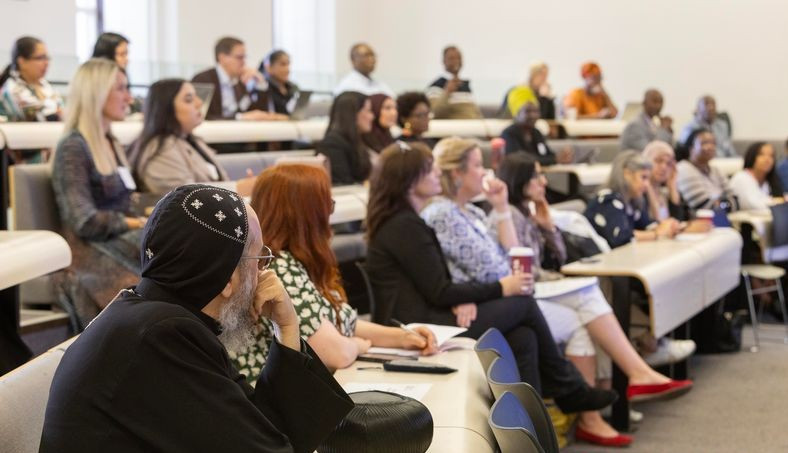
Location: OnlineThe Institute of Domestic Violence, Religion & Migration (IDVRM) held this online workshop on Thursday 5 March 2026, bringing together ‘by and for’, grassroots, migrant-led and community-led organisations to reconnect, reflect and help shape the next phase of work in the VAWG/DVA sector.
Our Journey & Our Growth
This workshop marked a significant milestone in our collective journey. In 2024, Project dldl/ድልድል brought together researchers, practitioners, community organisations, policy experts, counsellors and religious scholars at SOAS University of London to explore future directions for integrated, culturally resonant and faith-sensitive Domestic Violence and Abuse (DVA) responses in the UK. These conversations informed the Conference Brief A Roadmap for Integrating Cultural and Religious Diversity in UK Domestic Violence and Abuse Services.
To maximise the impact of that work, we had grown into the Institute of Domestic Violence, Religion & Migration (IDVRM), a non-profit research organisation dedicated to sustaining and expanding these vital efforts. Two years after our initial conference, we convened this dedicated space to reconnect, reflect and shape the next phase of our work together.
Why This Workshop Matters
We hosted this session because we believe that the voices of ‘by and for’, grassroots, migrant-led and community-led organisations are critical to systemic change. While the workshop was primarily aimed at community-led and migrant-led ‘by and for’ organisations, we also warmly welcomed colleagues from VAWG and DVA organisations working alongside and in solidarity with the sector.
The goals of the workshop were to:
- Share evolved needs: Discuss how challenges and conditions for ‘by and for’ organisations had changed since 2024.
- Discuss practical realities: Explore the intersections of domestic violence, religion, culture and migration in participants’ daily work.
- Identify IDVRM’s value: Help us understand how we could best support organisations through community-based research, capacity building, training and resource mobilisation.
- Guide future priorities: Ensure participants’ lived expertise informed IDVRM’s future support strategies and priorities.
What Was Covered
The workshop was designed as a participatory and dialogical space that centred the voices of grassroots organisations and practitioners whose knowledge is critical to influencing policy, practice and systemic change, yet who are often constrained by limited time, funding and access. Drawing on IDVRM’s decolonial, faith-sensitive and co-creative approach, the workshop aimed to ensure that future initiatives would be shaped alongside those on the front lines.