Support IDVRM
Building a Spiritual Care Model to Respond to Sexual Violence Survivors in Tigray, Ethiopia
Help us make a substantive difference to real communities and survivors who suffer in silence.
How we will use the funds
We are now fundraising to fund the next phase of this project, which so far has been unfunded, relying on the goodwill of all parties. We estimate that with £4,000 we will be able to:
Support a team of Ethiopian seminarians and theologians and GBV experts to develop the training materials
Deliver a series of workshops with clergy and community stakeholders to pilot the training approach
Produce the necessary evidence to improve and scale out the training to other seminaries and communities
Engage communities in awareness-raising to reduce survivor stigma and to promote survivors’ re-integration in Church life and society
The context
In November 2020, a terrible conflict erupted in Tigray, Ethiopia, that was characterised by the systematic use of sexual violence by Ethiopian and Eritrean Defence forces and other militant elements against women, girls and, even, men and boys. Documented actions included gang rape, sexual torture, reproductive violence and ethnic targeting—often described by survivors and observers as acts of genocidal intent. Reports from the Commission of Inquiry on Tigray Genocide (CITG) and other credible sources indicate that over 150,000 women and girls were subjected to rape, with the vast majority of victims and survivors being denied essential medical or psychosocial support.
The problem we are addressing
In the aftermath of the war, the scars of conflict are not only physical and psychological, but also deeply spiritual. Given the significance of the Orthodox tradition and faith for the Tigrayan community, most survivors of sexual violence grapple with profound spiritual anxieties and consequences that complicate their healing, exacerbated by their frequent exclusions from religious life and sacred spaces.
Sadly, not all priests and religious teachers across Tigray have the theological acumen and pastoral training to respond to survivors’ concerns grounded in a solid knowledge of Orthodox theology, often making the situation worse, putting blame on survivors and pushing them away from religious life.
Community bystanders also contribute to harmful attitudes towards survivors by engaging in derogatory name-calling and their further stigmatisation. Survivors of rape often end up seeing themselves as ‘sinners’ due to the violence committed against them, feeling helpless and unable to reintegrate in society. These realities increase the likelihood of suicide and mental health illnesses and have led many survivors to abandon their hometowns.
Our response
The Institute of Domestic Violence, Religion & Migration (IDVRM) in collaboration with the St Frumentius Theological College (SFTC) in Tigray, the oldest regional theological college, have launched a project to produce a spiritual care framework for clergy and communities to support sexual violence survivors and reduce stigma.
As a first step, we have sought to collect survivor first-person accounts and testimonials to better understand the survivors’ concerns and anxieties, as well as barriers to coping and healing, where the latter is even possible. To avoid the need for conducting research with survivors and risking their re-traumatisation, we have consulted accounts collected by doctors, nurses, nuns and activists.
For the next phase, we would like to support a team of theologians at St Frumentius Theological College to develop a theological response to these concerns grounded in the indigenous theological tradition venerated by the community. This will be integrated in the seminary’s theological curriculum and will be used to train clergy and raise awareness with communities.
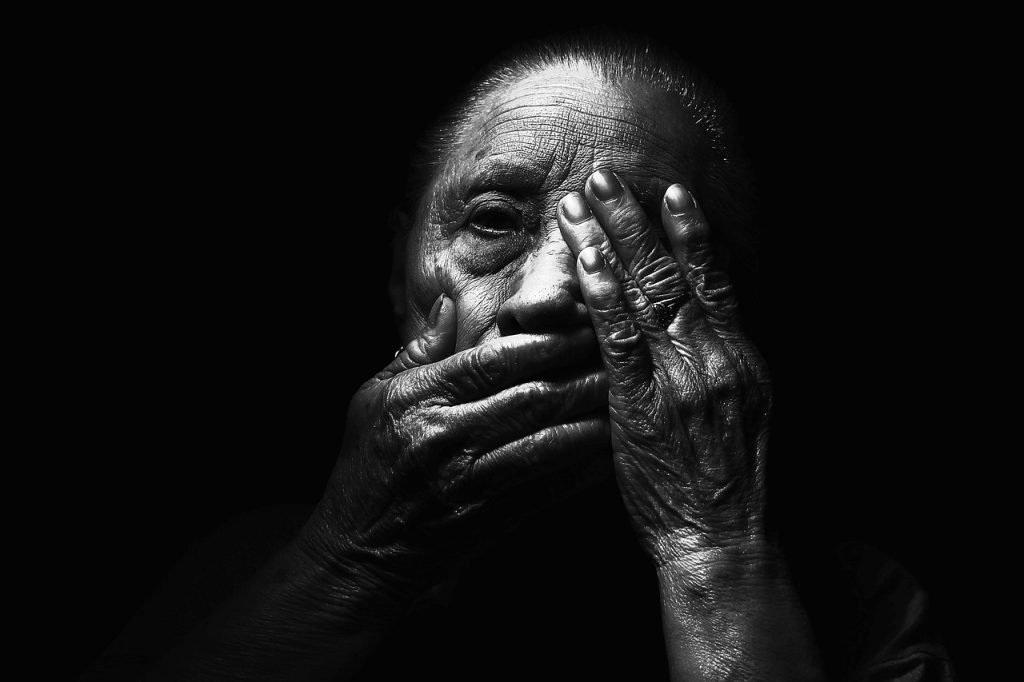
Our Director, Dr Romina Istratii, has committed to matching the campaign funds up to the maximum amount of £1,500. She is also raising awareness through a series of art portraits titled ‘Women and Conflict: Faces of Suffering and Resilience‘ that are showcased on her personal website.