Engaging Faith and Religious Resources in DVA Services: What Are We Doing and What Could We Improve?
IDVRM Practice Workshop series
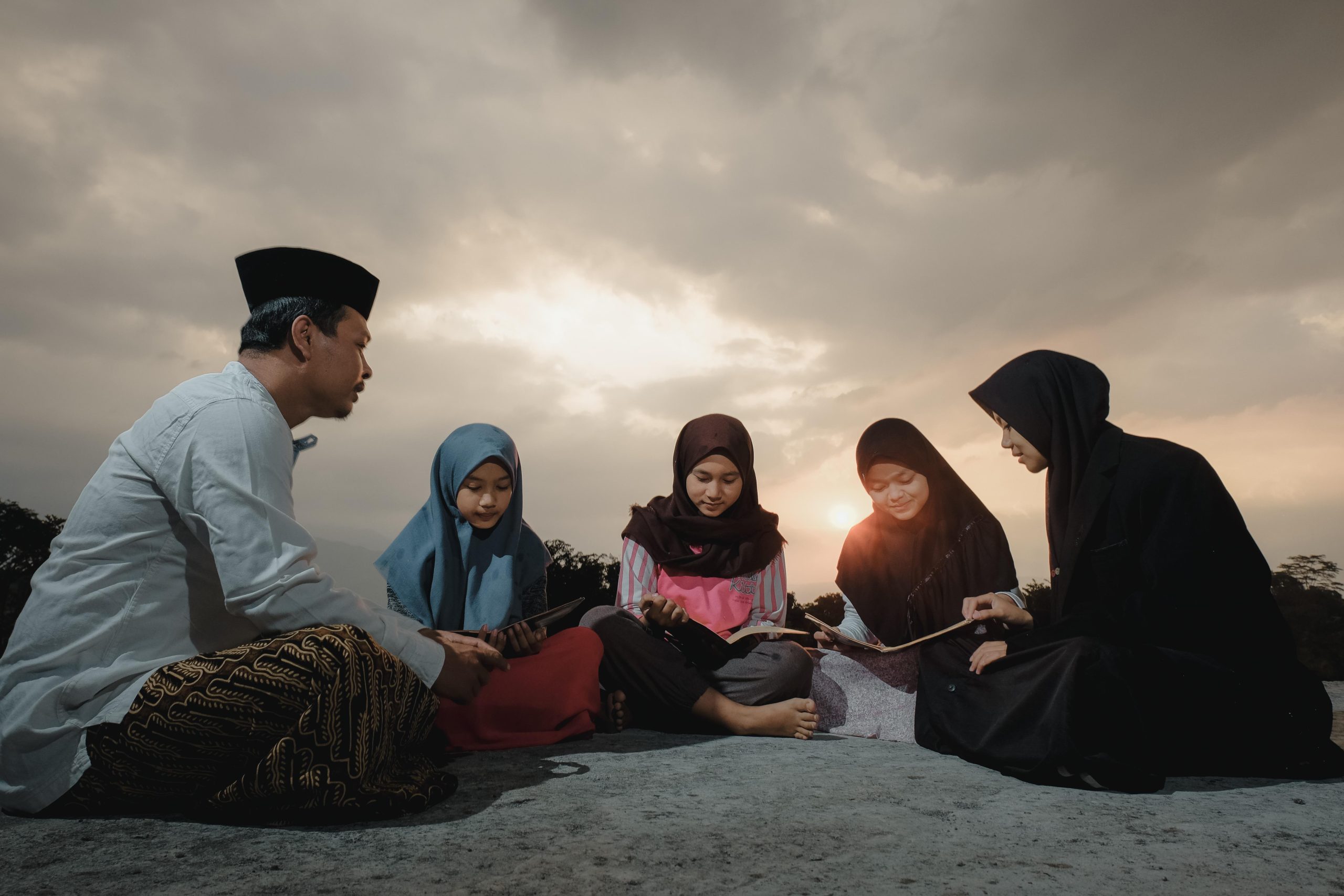
Engaging Faith and Religious Resources in DVA Services: What Are We Doing and What Could We Improve?
Date: Wednesday 28 October 2026
Time: 10:00–11:30
Location: OnlineThe Institute of Domestic Violence, Religion & Migration (IDVRM) held this online learning and capacity-building workshop on Wednesday 28 October 2026. The event brought together research and practice expertise to explore how domestic violence and abuse (DVA) services engage with clients’ religious beliefs and faith-based resources, and how responses to religious and cultural diversity could be strengthened.
A practical learning and capacity-building workshop convened by IDVRM
Domestic violence and abuse (DVA) does not take place outside the religious and cultural worldviews and contexts in which people live. Religious beliefs and faith can shape how survivors understand and experience abuse, seek support, cope and recover. At the same time, faith and religious resources can present challenges for DVA responses when practitioners lack the knowledge or appropriate frameworks to engage with them confidently.
Yet there is limited evidence on how DVA service providers in the UK currently engage with clients’ religious beliefs, respond to religious and cultural diversity and work with faith-based resources and organisations. A recent study completed by our team and collaborators with UK DVA service providers responded to this gap, exploring how service providers understand and engage with religious beliefs and faith in their everyday work.
The workshop brought the findings of the research into a practical conversation with DVA practitioners. The study’s presentation provided a starting point for reflecting on current practices, the challenges practitioners encounter when serving diverse faith communities and opportunities for improvement.
From findings to practice
The research explored several interconnected questions: how DVA providers consider clients’ religious beliefs in service provision; how they understand and respond to cultural and religious diversity; how they navigate the relationship between secular and religious perspectives; what role they see for religious beliefs and faith-based resources in DVA services; and whether there is scope for greater collaboration with faith-based institutions, religious leaders and clergy.
During the workshop, we presented the research findings and explored these questions further through group discussion with participants. The discussion was structured around the following thematic questions:
- How are DVA service providers currently responding to clients’ religious beliefs and religious or cultural identities?
- What challenges arise when practitioners engage with religious beliefs and practices in DVA work?
- How can practitioners distinguish between religious beliefs, cultural practices and harmful norms without making assumptions about clients or communities?
- How can services navigate the secular–religious divide while maintaining safeguarding and survivor-centred practice?
- What role can faith-based resources and religious actors play in supporting DVA responses?
- What does meaningful and safe collaboration between DVA services and faith-based organisations look like?
- What knowledge, tools and organisational support do DVA practitioners need to develop more culturally resonant and faith-responsive services?
The workshop combined research findings, practical expertise, discussion and interactive learning, creating space for participants to reflect on their own practice and consider approaches that could strengthen responses to clients from diverse religious and cultural backgrounds.
Learning from practice
The event built on the work previously completed through Project dldl, a multicountry project dedicated to promoting culturally resonant and faith-sensitive responses to domestic violence in Africa and European migrant communities. It also expanded on discussions initiated at IDVRM’s first workshop with DVA service providers in 2026, Building Capacity, Influence, and Change Together: A Workshop for ‘By and For’ VAWG/DVA Organisations, by focusing specifically on the role of religious and cultural responsiveness in DVA service provision.
The aim was not to present a single model of culturally resonant and faith-responsive practice. Instead, the workshop created space for practitioners to consider what was currently working, where gaps remained and what practical changes could strengthen the capacity of DVA services to respond to religious and cultural diversity.
Participants had the opportunity to learn from the speakers’ practical experience and engage with approaches that could inform their own work.
Contributors
- Dr Romina Istratii, Founding Executive Director, Institute of Domestic Violence, Religion & Migration (IDVRM)
- Meron Shawel Aychiluhim, Research Associate, Institute of Domestic Violence, Religion & Migration (IDVRM)
- Dr Mahmoud Ashal Afifi, Lecturer, International Islamic University of Indonesia
- Mayra Teck Ascurra, Non-Executive Director – VAWG & Development, Institute of Domestic Violence, Religion & Migration (IDVRM)
The online workshop combined short presentations of the research findings, practical contributions from the speakers, facilitated discussion and participant engagement.
Who was this workshop for?
The workshop was particularly intended for DVA practitioners and organisations working directly with survivors and communities, including:
- Generalist DVA service providers
- ‘By and for’ DVA/VAWG organisations
- Faith-based DVA organisations and initiatives
- Practitioners working with migrant and ethnic minority communities
- DVA managers, trainers and practitioners interested in culturally and religiously responsive practice
- Organisations seeking to strengthen collaboration with faith communities and religious leaders in their service provision
Practitioners at different stages of experience were welcome. The workshop was intended as a space for shared learning, practical reflection and capacity-building, rather than as a presentation of fixed or universal solutions.