Image credits: Pixabay
Two months ago, our team at IDVRM delivered one of our specialised training sessions, Cultural and Religious Sensitivity in VAWG and Domestic Violence Services in Migration Contexts, to a frontline domestic violence provider in the UK.
Informed by IDVRM’s research and practice expertise and building on the lessons of Project dldl/ድልድል at SOAS University of London (2020-2025) in East Africa and Europe, the training was designed to strengthen domestic violence and abuse (DVA) practitioners’ understanding of how cultural and religious influences, migration experiences and structural inequalities can shape survivors’ experiences of abuse, help-seeking and engagement with support services as well as with statutory agencies.
I have been reflecting on the training since, particularly on the conversations that emerged, the questions participants raised and the reflections shared afterwards.
Fostering humility to engage with other cultures
As a frontline violence against women and girls (VAWG) practitioner, working in a by-and-for Latin American organisation that supports Latin American women and girls as well as other Black and minoritised women, I have the opportunity to bring my lived and practice expertise into the training room.
Every day, I see the realities that ethnic minority and migrant survivors experience. This might be structural and linguistic barriers to accessing support, the complexities of experiencing domestic abuse at the hands of multiple perpetrators or the pressure survivors can face from family and communities to maintain the family unit, sometimes at the expense of their own safety and rights.
These are just some of the intersectional factors that shape survivors’ experiences and, in turn, some of the realities that VAWG and DVA practitioners are working within, most salient in migrant, faith and ethnic minority communities.
Too often, conversations about culture and faith within the sector can become focused on learning a set of characteristics associated with particular communities, which can lead to reductive understandings of complex and diverse experiences. This binary approach is often reflected in the difficult conversations that I have with other safeguarding professionals and social services, who may lack the training to understand why a survivor might not wish to report to the police, why they may not trust statutory services or why leaving an abusive relationship may not be as straightforward as it can appear from the outside.
In reality, cultural upbringing, faith and religious beliefs, migration experiences, family relationships, social networks, class, immigration status and individual beliefs can all shape a person’s experiences – and they do so differently for every survivor.
This requires not only awareness, but humility. Indeed, one of the things that stood out to me during the training was the participants’ genuine willingness to engage with and understand experiences that may be different from their own. Rather than simply learning about cultures, there was a growing recognition of the importance of approaching survivors’ experiences with curiosity, openness and a willingness to listen. As trusted practitioners, it is vital to not assume we automatically know all the factors influencing a survivor’s experience, but to give them space to tell us what matters to them.
Faith as a dual-edged sword
Something else that stood out for me was the discussion around faith. Within the VAWG sector, faith is often discussed in relation to harm: as something perpetrators weaponise, manipulate or use to justify abuse and control. We explored this in our first module, asking how faith, along with other intersecting factors, can influence experiences of harm and shape how abuse is understood and responded to.
But faith is not only a tool of harm.
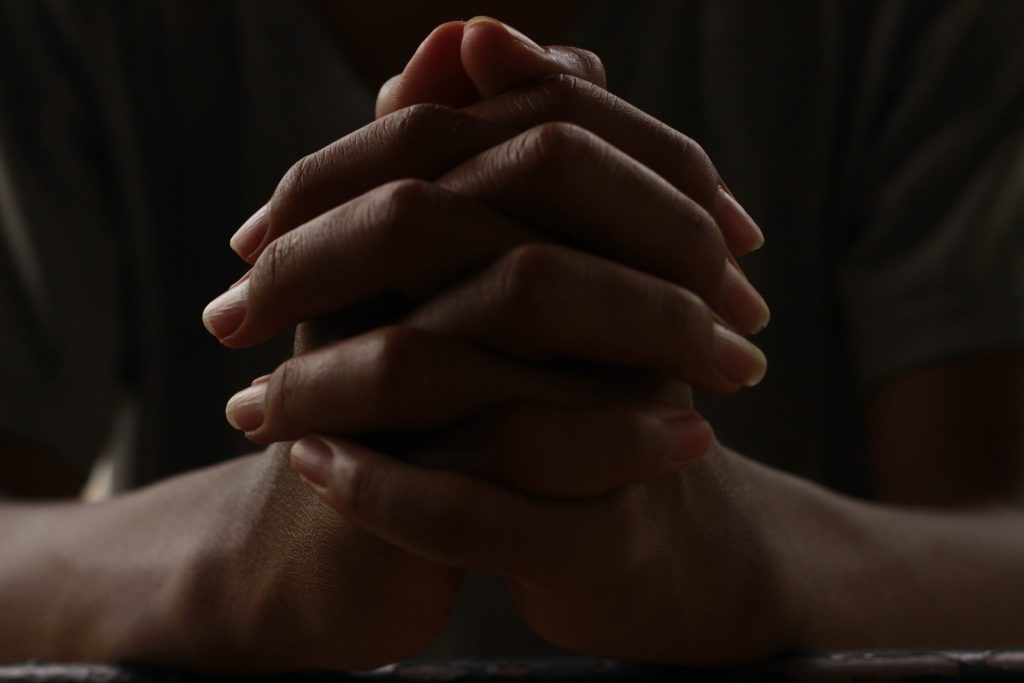
For many survivors, faith can also be a source of identity, belonging, resilience, community, meaning and emotional support. It can form an essential part of how someone understands themselves and makes sense of their experiences, including during their healing journey (Istratii et al, 2025).
The VAWG and DVA sectors often overlook the supportive potential of faith, treating it as an isolated component of someone’s life rather than something that can be deeply embedded in their socialisation, identity, relationships and understanding of the world.
Faith, in intersection with the previously mentioned cultural and social factors, influences how survivors understand what is happening to them, who they feel able to speak to, where they seek support and what options they feel are available and trustworthy to them.
It was therefore truly encouraging to see participants engage with this idea and reflect on how their own understanding of faith can sometimes be shaped by the narrow ways it is discussed within our lives.
This is an important shift.
If we only understand faith through the lens of how it can be used to justify abuse, we risk missing an important part of the survivor’s own world. We may also unintentionally reinforce the very assumptions and stereotypes we are trying to challenge.
For practitioners, having the space to explore these dynamics can help us move away from asking “Why doesn’t she just leave?” and instead asking more accurate questions about what is shaping their and their family’s choices and circumstances.
Challenging assumptions without reinforcing stereotypes
Another important part of the training was creating space to challenge assumptions, which can entail achieving a difficult balance.
As support workers, we need to be able to engage critically and honestly with the ways in which cultural, religious and family factors intersect with experiences of domestic abuse. These intersections need to be understood within their wider social, historical and structural contexts in order to avoid reductive narratives that ‘pathologise’ particular cultural or religious communities and risk placing responsibility for violence on communities themselves.
This distinction matters.
As trusted practitioners, it is vital to not assume we automatically know all the factors influencing a survivor’s experience, but to give them space to tell us what matters to them.
A culturally responsive approach should not mean excusing harmful behaviour because it is culturally or religiously framed. Equally, it should not mean treating someone’s cultural or faith identity as inherently problematic.
We can challenge harm without challenging identity.
Turning specialist knowledge into nuanced safeguarding responses
For migrant and minoritised survivors, risk and safety do not just exist in isolation. The Intersectional factors that shape lived experience also influence how risk is experienced, communicated and responded to. This requires safeguarding that is nuanced.
A culturally- and faith-sensitive approach is essential for achieving this, not by changing safeguarding standards but by helping practitioners make more informed and proportionate assessments which recognise both the barriers that may increase vulnerability and the relationships, resources and circumstances that may provide protection. This constitutes a fuller and more contextually informed understanding of risk, safety and the support available to each survivor.
As highlighted in the feedback collected after the training, participants valued the specialist knowledge and conceptual frameworks shared during the training while also identifying the importance of having opportunities to apply this learning to frontline practice and real-work situations.
This is something we will continue refining, with future iterations of the training creating more opportunities to practise difficult conversations – including those delicate moments when a practitioner finds themselves in a need to challenge harmful beliefs or practices while maintaining trust and respect with a service user. As a VAWG practitioner, I recognise that it is one thing to understand a concept and another to sit with a survivor and confidently apply this understanding to what they are telling you in their actual situation.
Continuing the conversation
One of the things I value most about delivering this training is that it is not about providing practitioners with a checklist, but creating space to pause and ask ourselves:
What assumptions am I bringing into this conversation?
What might I be missing?
How might cultural upbringing, faith, family or migration experiences be shaping this survivor’s options?
And how can I provide support without asking them to leave an important part of their identity at the door?
As a practitioner, I know that these are not always easy questions. But they are necessary ones.
For IDVRM, this is at the heart of our approach: bringing together research, lived expertise and frontline practice to support VAWG professionals to respond to survivors with greater cultural and faith sensitivity while keeping safety, rights and survivor autonomy at the centre.
Discover our training: Cultural and Religious Sensitivity in VAWG and Domestic Violence Services in Migration Contexts
Effective responses to violence against women and girls and domestic violence in migration contexts require a nuanced understanding the intersectional factor that shape a survivor’s experience of abuse, help-seeking and engagement. This training aims to strengthen participants’ ability to deliver survivor-centred, culturally responsive and faith-informed services for migrant, refugee and ethnic minority communities through expert insights and participatory exercises.
“I gained an overall knowledge around religion, culture and belief (…) Learning more about religion as a good thing for some women was also new to me as I think we as workers tend to just see it as a means to control women.”
– Training participant
About the author
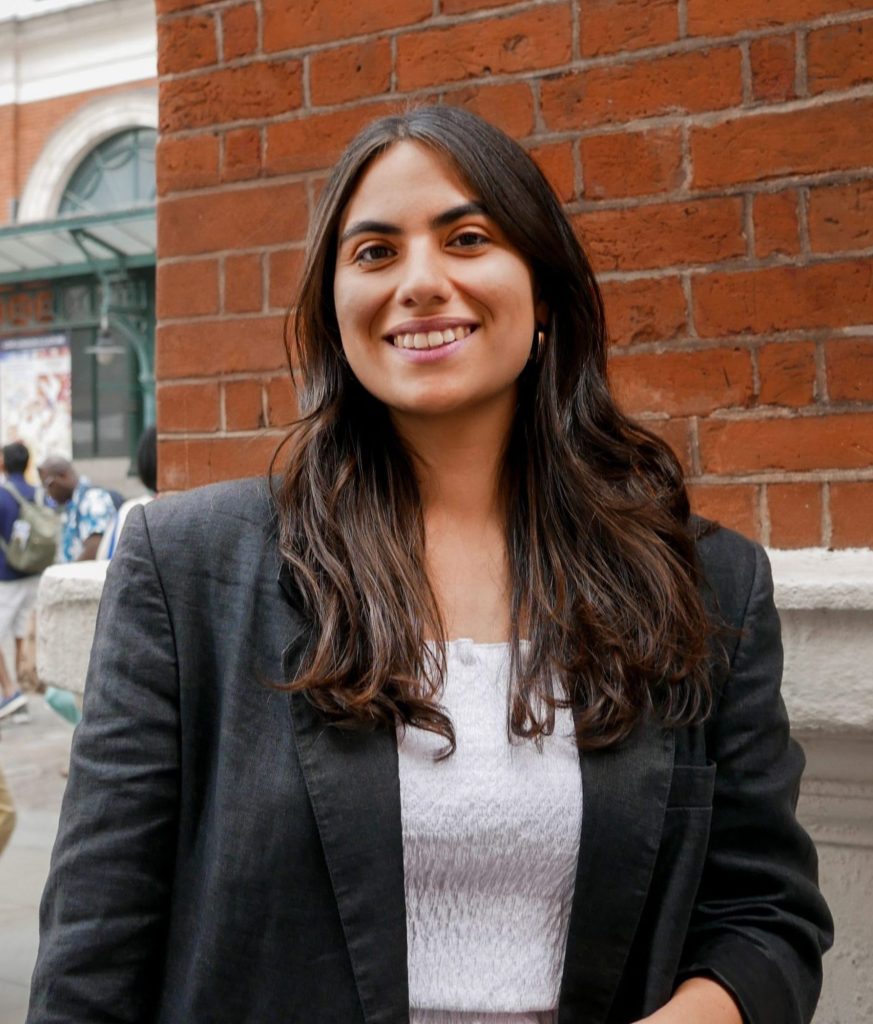
Mayra Teck Ascurra is Non-executive Director, contributing VAWG & Development expertise at the Institute of Domestic Violence, Religion & Migration. Born in Lima and based in London, Mayra brings a global perspective shaped by her personal experience of migration and is currently a Violence Against Women and Girls (VAWG) practitioner for a leading Latin American gender-based violence non-governmental organisation in the UK. Motivated by providing a culturally appropriate response to VAWG, she provides trauma-informed and linguistically accessible support, advocacy, and advice for Latin American, Black and Minoritised victims and survivors. Mayra’s primary focus concerns the intersection of gender, violence, and sexual and reproductive health, with an emphasis on how these issues are shaped by and interact within social and cultural contexts.
Disclaimer: IDVRM aims to serve as a platform that researchers internationally, especially in the non-western world, can use to disseminate their research. We do our best to ensure that authors who publish with us have conducted their research following the highest ethical standards, with decolonial reflexivity and principles of least harm to participants in mind. We do not require authors to submit ethical documentation, but we ask our authors to provide sufficient information about ethical procedures in their submissions. It is beyond the capacity of IDVRM to verify this information. Authors should be reached directly to respond to questions regarding their research.
Opinions expressed by authors contributing to our blog are those solely of the authors and do not necessarily represent the position of IDVRM, its Director or other team members. IDVRM is comprised of diverse individuals who are encouraged to share their experiences and opinions openly with recognition that other team members may have different experiences and positions. IDVRM does not claim to represent any one community and we understand that belonging to a specific group does not entitle any one of us to speak for all.