Overview
Research and programme delivery in culturally diverse settings are shaped by linguistic and conceptual repertoires, belief systems, normative frameworks and power relations. Without linguistic, cultural and religious literacy, well-intentioned interventions can reinforce exclusions and power hierarchies that hinder effective development and humanitarian interventions.
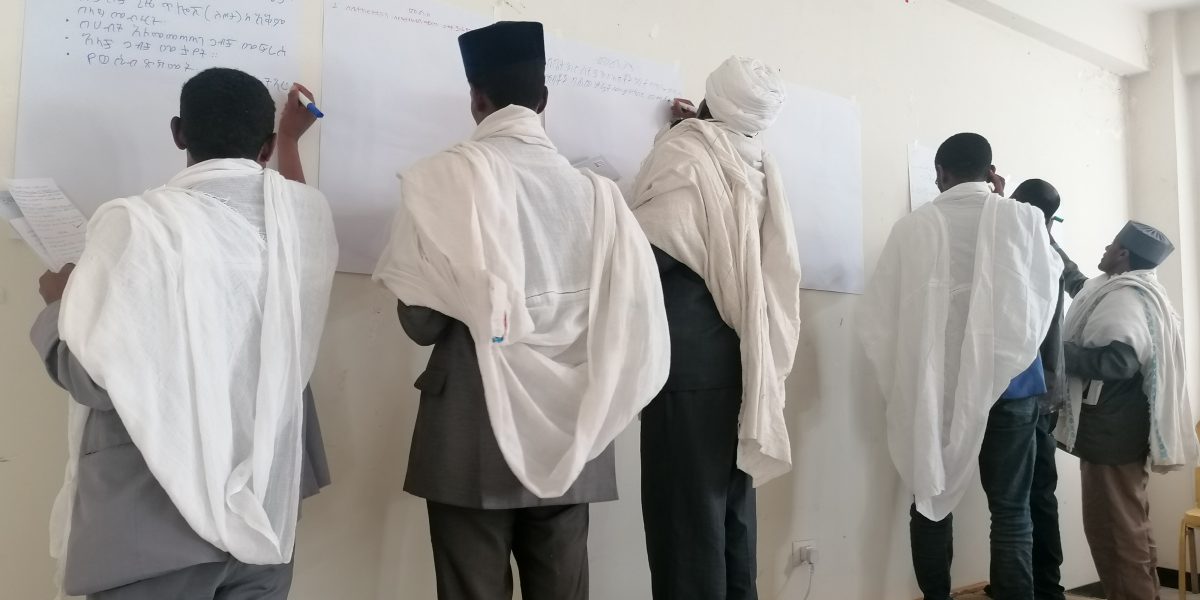
Building on IDVRM’s expertise in a plethora of linguistic groups, cultural contexts and religious traditions, this course aims to strengthen participants’ ability to engage ethically and effectively in multilingual, (multi)religious and culturally complex environments. It seeks to strengthen participants’ capacity to adapt communication strategies, consent processes and engagement approaches to reflect local norms, belief systems and linguistic sensitivities. Through applied scenarios and reflective exercises, participants learn to identify cultural blind spots, mitigate risks of miscommunication and design interventions that are locally embedded and culturally appropriate for diverse communities.
Our unique value: This training bridges linguistic awareness with safeguarding principles, power analysis and programme delivery, addressing dimensions often overlooked in standard localisation courses for development and humanitarian actors.
Learning Outcomes
By the end of this course, participants will be able to:
- Identify key linguistic, cultural and religious factors affecting research and programme delivery in their respective contexts of work.
- Demonstrate linguistic, cultural and religious sensitivity in community engagement, consent processes and fieldwork.
- Adapt communication strategies and materials to multilingual, multi-cultural or faith-influenced settings.
- Design interventions that reflect local norms, belief and value systems, languages and lived realities.
- Recognise and mitigate culturally inappropriate or insensitive practices in field operations.
Who It’s For
- Development practitioners and humanitarian staff
- NGO programme staff
- Localisation leads
- Organisational staff working in multilingual, traditional, religious or culturally complex environments
Format
A half-day/full day online module or a blended week-long workshop
Example format: 3-hour online module for half day, or 2 x 3-hour sessions for full day
Region-specific scenarios, interactive discussion and applied tasks
Certificate of completion issued by IDVRM
Price: Half day £400 | Full day £800 (blended week-long workshop available upon request)
T&Cs:
All courses are costed at £200 per 90 minutes, which includes preparation time, trainer fee and internal administrative costs (but please note that this is subject to change based on market competitiveness, internal costs and trainer availability). We recommend that courses should have a duration of at least 3 hours to achieve in-depth analysis, interactivity and learning outcomes.
Courses are delivered online by the IDVRM team and affiliated specialists. The specific trainer/group of trainers can be agreed with the client at the time of curating our services.
All courses are online and limited to 15 participants. It is possible to expand participation and course duration, but this will be reflected in the price to capture additional time of preparation, number of trainers and training duration.
Courses can be delivered in person, but in that case, clients must provide a venue and reasonable travel and accommodation arrangements for the trainer(s). If delivering the course requires international travel, the cost must be covered by the client and sufficient time must be allowed for travel arrangements to be made.
Low-income and charity clients: In line with our decolonial mission, we offer special discounts for charities and organisations working at the grassroots level who are under-funded and work in low-income environments. Please contact us to discuss the possibilities.