Image credits: Pixabay
In the current blog, Olya K-Mehri argues that, although the FIFA World Cup is a powerful force for unity that brings together millions of people across nations, cultures, faiths and backgrounds, it is also a time of heightened fear, anxiety and risk for many victims and survivors of domestic abuse. Evidence shows increases in reported incidents during England matches, but these figures do not mean football causes domestic abuse. Rather, existing abusive behaviour can be exacerbated by emotional intensity, alcohol consumption, financial pressures linked to gambling, and entrenched patterns of coercive and controlling behaviour. The blog calls for raising awareness, encouraging safe reporting, and engaging men and boys in conversations about healthy relationships, respect, accountability and emotional resilience. It concludes that football can unite communities, but society should be judged by how effectively it protects its most vulnerable members and ensures that moments of collective celebration are free from fear.
In an increasingly divided world, opportunities that genuinely bring people together can feel rare.
The FIFA World Cup is one of those moments.
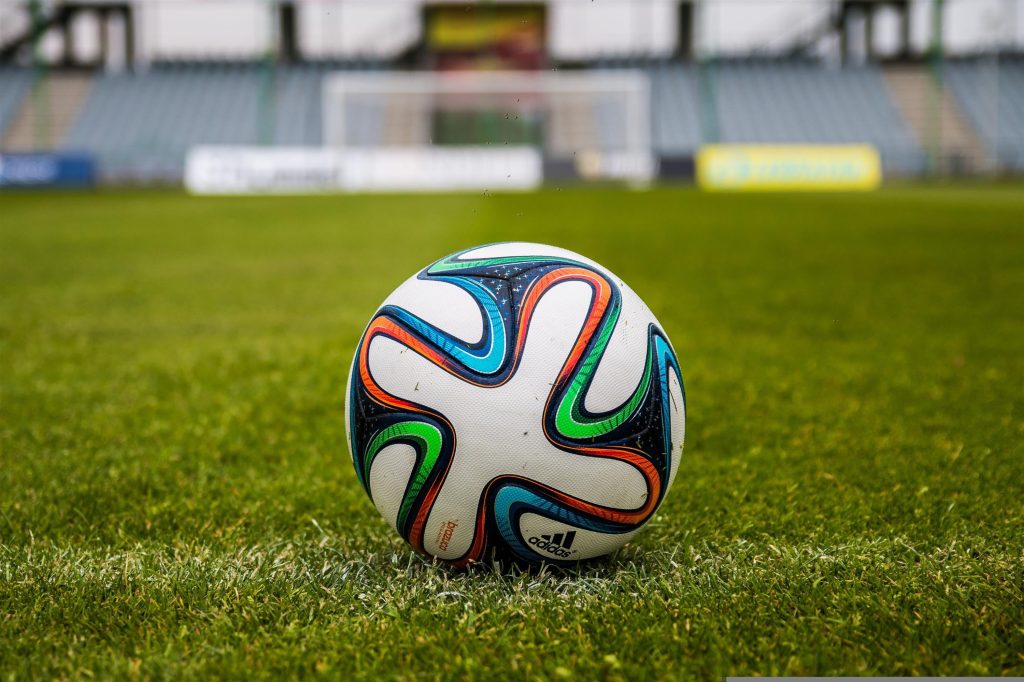
For a few weeks, millions of people across nations, cultures, faiths and backgrounds share a common experience. Families gather in living rooms, communities come together in pubs and public spaces, colleagues discuss results at work and strangers find themselves united by a shared passion for the game.
Sport has a unique ability to build connections in place of growing division. It reminds us that, despite our differences, there is still enormous value in collective experiences, community spirit and national pride. That is something worth celebrating.
However, while the World Cup can be a powerful force for unity, there is another reality that demands our attention. For many victims and survivors of domestic abuse, major football tournaments can be a time of heightened fear, anxiety and risk.
As England begin their World Cup campaign, it is important we recognise the evidence that domestic abuse incidents increase around major international fixtures.
The Statistics We Cannot Ignore
The latest figures from the Office for National Statistics (ONS) estimate that 3.8 million adults in England and Wales experienced domestic abuse in the year ending March 2025, representing 7.8% of the adult population. Approximately 2.2 million women and 1.5 million men reported experiencing domestic abuse during that period. Police recorded more than 1.35 million domestic abuse-related incidents and crimes during the same year.
Domestic abuse remains one of the most significant safeguarding and public protection challenges facing our society.
Research examining England football matches has repeatedly identified concerning increases in reported domestic abuse incidents around major tournaments. One of the most widely cited studies found that reported incidents increased by 26% when England won or drew, and 38% when England lost. The increase was particularly significant when results were unexpected. But these figures are often misunderstood. They do not mean football causes domestic abuse. Nor do they reflect the behaviour of the overwhelming majority of England supporters, who watch matches responsibly and peacefully.
Instead, the evidence suggests that existing abusive behaviour can be exacerbated by a combination of emotional intensity, alcohol consumption, financial pressures linked to gambling and entrenched patterns of coercive and controlling behaviour.
The responsibility always rests with the perpetrator.
No result on a football pitch causes abuse.
Why Major Tournaments Matter
Major sporting events create unique circumstances that can increase risks within already abusive relationships.
As mentioned factors contributing to this increase may include:
- Increased alcohol consumption.
- Heightened emotional investment.
- Gambling-related financial pressures.
- Longer periods spent at home.
- Existing patterns of coercive control and aggression.
- Social expectations linked to masculinity and emotional expression.
For many households, football is a source of enjoyment and togetherness. For others, however, kick-off marks the beginning of a period of anxiety.
Domestic abuse services have long reported concerns about increased demand around major tournaments, with some organisations recording significant spikes in helpline contacts during international competitions.
What Can Be Done?
As England take to the field, there are practical steps that policymakers, practitioners, communities and individuals can take to help reduce risks and strengthen support for victims and survivors:
| Action | Why It Matters |
| Raise Awareness | Public awareness campaigns during major tournaments can help people recognise warning signs, challenge harmful attitudes and understand where support is available. |
| Support Specialist Services | Domestic abuse organisations often face increased demand during major sporting events. Sustainable funding and accessible support services remain essential. |
| Challenge Harmful Narratives | Frustration, disappointment and anger are normal human emotions. Violence, intimidation, coercion and abuse are choices. We must continue challenging narratives that excuse abusive behaviour because someone was drinking, upset or emotionally invested in a sporting result. |
| Encourage Safe Reporting | Victims and survivors need to know that support is available whether or not they choose to engage with the criminal justice system. Friends, neighbours, colleagues and family members all have a role to play in recognising concerns and signposting support. |
| Engage Men and Boys | Preventing domestic abuse requires honest conversations about healthy relationships, respect, accountability and emotional resilience. Most men are not perpetrators of abuse, but all men can be part of creating a culture that refuses to tolerate it. |
The World Cup represents some of the very best qualities of collective human experience. By bringing communities together and creating shared memories, it allows people from different backgrounds to celebrate something bigger than themselves. In a world that often feels increasingly polarised, those moments matter.
But if we are serious about building stronger, safer and more connected communities, we must also ensure that everyone can experience these moments free from fear.
As England’s World Cup journey unfolds, let us celebrate the power of football to unite people while remaining vigilant to those who may be at risk behind closed doors, because the true success of any society is measured not only by how passionately it supports its team, but by how effectively it protects its most vulnerable members.
About the author

Olya is Strategic Partnerships Lead and one of our Centre Leads at the Institute of Domestic Violence, Religion & Migration. She brings an interdisciplinary perspective that bridges environmental ethics, public policy, and community practice. With a research background in interfaith dialogue and climate ethics, her work explores how diverse philosophical and spiritual traditions can inform justice-orientated approaches to environmental responsibility. She leads projects on just transition and inclusive climate policymaking, centring the experiences of marginalised communities. Her practice includes developing participatory tools that support culturally grounded, locally meaningful responses to climate impacts. As part of her research with the Institute, Olya focuses on climate adaptation and migration policy, critically examining how dominant frameworks on climate-induced displacement overlook gendered vulnerability, exploitation, and the conceptual gaps that leave displaced people without adequate protection. Olya can be reached at: idvrm.info@gmail.com
Disclaimer: IDVRM aims to serve as a platform that researchers internationally, especially in the non-western world, can use to disseminate their research. We do our best to ensure that authors who publish with us have conducted their research following the highest ethical standards, with decolonial reflexivity and principles of least harm to participants in mind. We do not require authors to submit ethical documentation, but we ask our authors to provide sufficient information about ethical procedures in their submissions. It is beyond the capacity of IDVRM to verify this information. Authors should be reached directly to respond to questions regarding their research.
Opinions expressed by authors contributing to our blog are those solely of the authors and do not necessarily represent the position of IDVRM, its Director or other team members. IDVRM is comprised of diverse individuals who are encouraged to share their experiences and opinions openly with recognition that other team members may have different experiences and positions. IDVRM does not claim to represent any one community and we understand that belonging to a specific group does not entitle any one of us to speak for all.
AI Use: IDVRM may use AI tools for editing and proofreading purposes to improve language, syntax and grammar. Essays must be the original work of the author.